 BackBack
 About Us


Alliance of Energy Intensive Industries
Non-Energy Extractive Industries Panel
REACH consortium "flue dust from cement clinker production"
Sustainable Process Industry through Resource and Energy Efficiency

ZVC SR - (Association of Slovak Cement Producers )
Hungarian Cement Concrete & Lime Association
Heidelberg Materials Kunda AS-i
Heidelberg Materials Cement Sverige
Heidelberg Materials Sement Norge
France Ciment / Organisation professionnelle de l'industrie cimentière française
MPA – Minerals Products Association - Cement
VÖZ – Vereinigung der Österreichischen Zementindustrie / Association of the Austrian Cement Industry
BACI - Bulgarian Association of Cement Industry
Svaz výrobcu cementu CR / Czech Cement Association
VDZ– Verein Deutscher Zementwerke e.V.
PCA – Stowarzyszenie Producentów Cementu / The Polish Cement Association
ATIC – Associação Técnica da Indústria de Cimento / Technical Association of the Cement Industry
Cementa Industrija Srbije / Serbian Cement Industry Association
Oficemen – Agrupación de Fabricantes de Cemento de España / Association of Spanish Cement Producers
UKRCEMENT - Association of Cement Producers of Ukraine
Hellenic Cement Industry Association
Febelcem – Fédération de l’Industrie Cimentière Belge / Association of the Belgian Cement Industry
Policy Focus


Innovation Projects
Resources


Events


Posted on: 03 December 2025
Bade Kizilaslan, Communications Manager
Cement isn’t often the centre of public debate. Yet it sits at the heart of Europe’s economy, powering growth, enabling the clean transition, and sustaining high-quality jobs in regions that depend on strong industrial ecosystems.
At a time when Europe is rethinking its competitiveness and industrial resilience, understanding the cement sector’s current economic contribution is more important than ever.
Across Europe, cement is produced through a fully local value chain: more than 200 plants supplying nearby communities with the materials needed to build homes, schools, hospitals, transport networks and clean-energy infrastructure.
Each plant anchors a regional ecosystem, from quarrying and transport to construction and engineering, sustaining thousands of industrial and skilled jobs. These are high-quality, long-term roles rooted in local economies, providing stability at a moment when many regions are experiencing structural change.
Put simply:
when Europe builds,
Europe works.
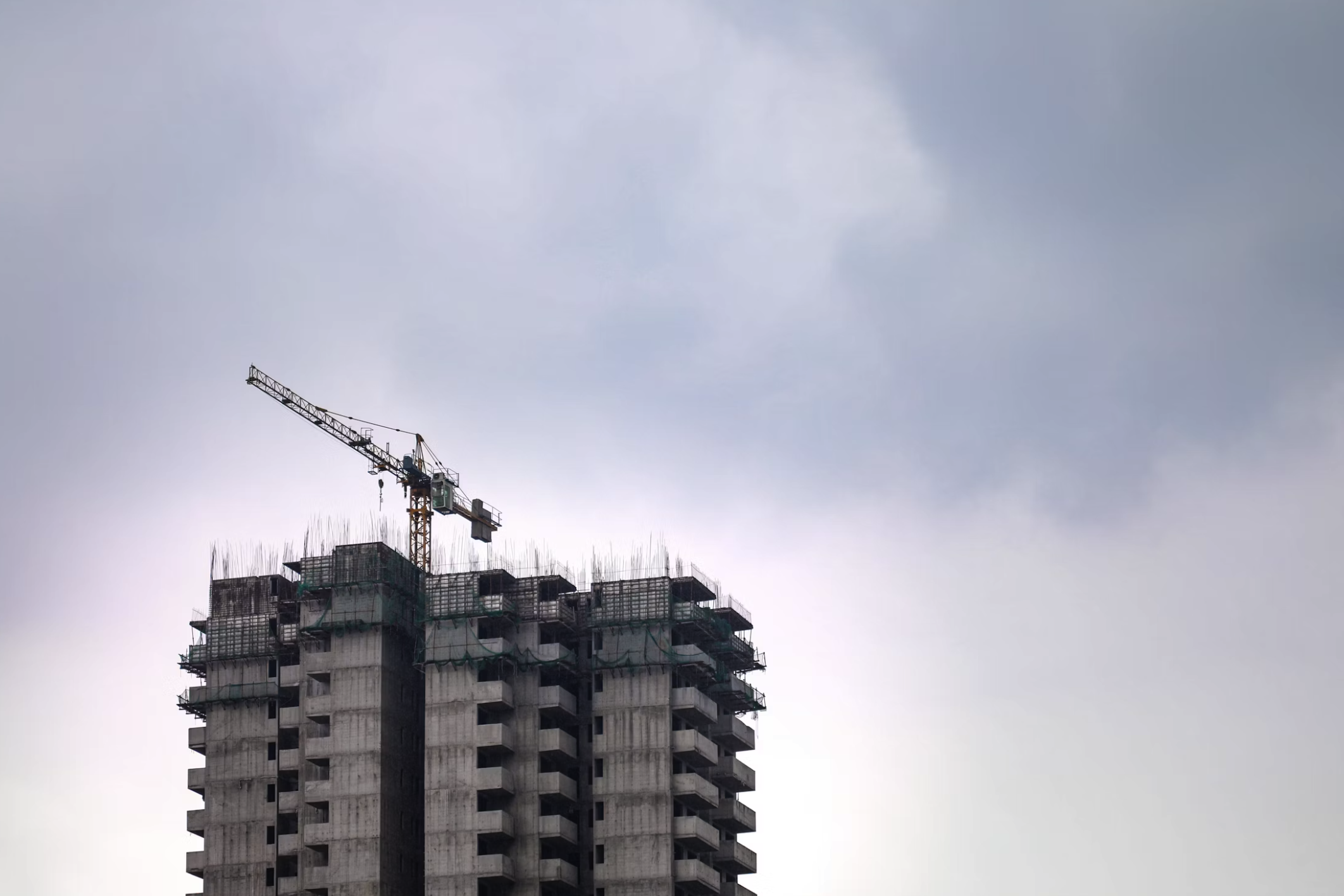
Today, cement plays a central role in Europe’s biggest transition priorities:
The clean transition cannot be delivered without cement, and this makes the sector’s competitiveness a strategic concern for Europe.
Despite its essential role, Europe’s cement industry faces mounting pressure:
The risk is clear: without the right conditions, Europe could lose domestic production capacity and with it, jobs, investment, and control over a vital supply chain. This is not just an industrial issue. It is a strategic one.
Europe’s cement industry is ready to invest. More than 120 innovation projects are already ongoing across the continent, from carbon capture to alternative fuels, circular materials, and carbon removals.
But for these projects to move from pilot scale to reality, Europe needs:
These are the enablers that turn ambition into deployment and safeguard cement’s role in Europe’s economy.
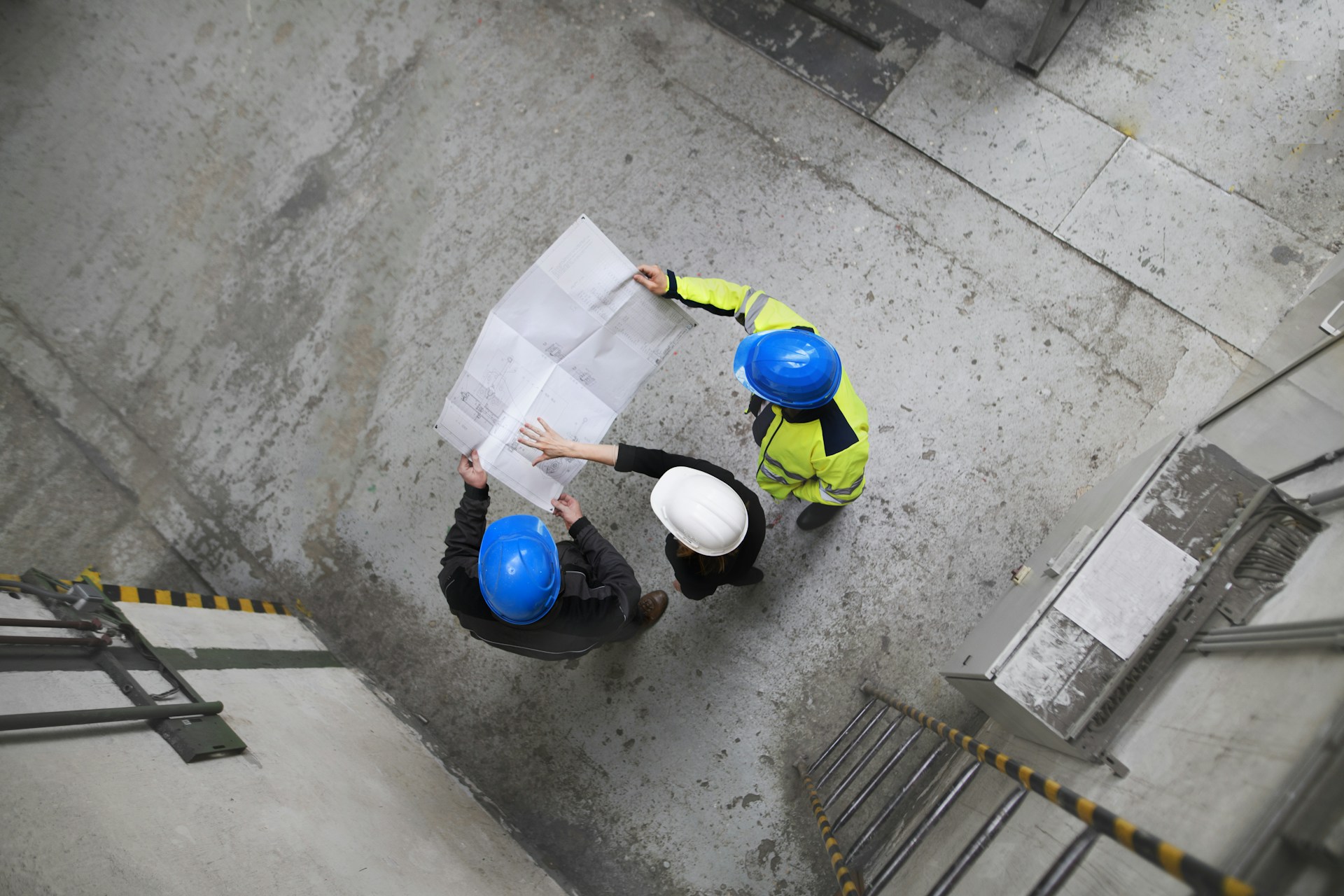
Cement may not always be visible, but it is everywhere in our lives. Today, its contribution goes far beyond construction: it supports Europe’s competitiveness, climate leadership, circularity goals, and regional cohesion.
Ensuring that cement production remains in Europe, and decarbonises in Europe, is essential to delivering a clean, resilient, and economically strong future for the continent.
And this is why cement matters today.


©2026 Cement Europe. All rights reserved